


Exploring Polkadot Ecosystem Projects: Your Guide to Decentralization
In 2024, $4.1 billion was unfortunately lost due to security vulnerabilities within decentralized finance (DeFi) platforms. As more users flock to blockchain technologies, the need for secure, scalable, and interoperable platforms becomes ever more critical. This is where the Polkadot ecosystem comes into play. Polkadot, with its innovative multichain structure, allows various blockchains to transfer messages and value in a trust-free fashion; a cornerstone for developing robust decentralized applications (dApps).
This article explores the top projects within the Polkadot ecosystem, illustrating their potential to revolutionize industries while enhancing overall security standards. Whether you’re a developer, investor, or simply curious about blockchain technology, understanding these projects can empower your decisions and strategies.
The Foundation of Polkadot Ecosystem
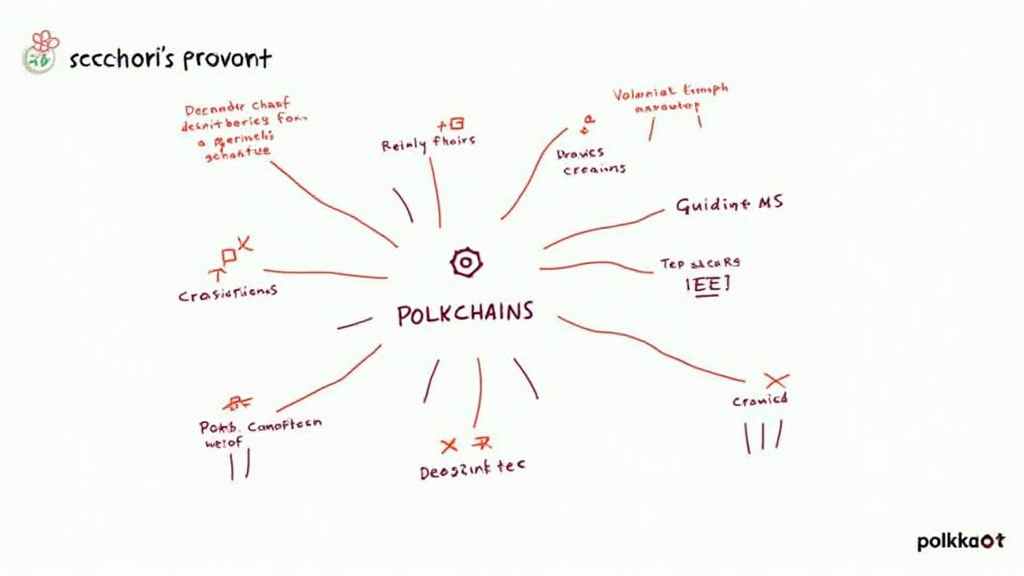
Polkadot was founded by Dr. Gavin Wood, the co-founder of Ethereum, and has gained traction for its unique approach to blockchain interoperability. The architecture consists of the Relay Chain, where the network’s security is shared, and various Parachains, which cater to specific use cases, enhancing scalability. To put it simply, think of Polkadot as a robust highway system where different cars (blockchains) can travel smoothly from one destination to another.
Key Components of the Polkadot Network
- Relay Chain: The core of Polkadot, it handles the network’s shared security and decentralization.
- Parachains: Custom blockchains that run parallel to the Relay Chain, each optimized for specific tasks.
- Bridges: These connect Polkadot to other networks, allowing for even broader interoperability.
Top Polkadot Ecosystem Projects
Let’s break down some of the most promising projects flourishing within this ecosystem, contributing to the broader vision of a decentralized web.
1. Acala Network
Acala is a Polkadot-based DeFi hub, providing a platform for stablecoin minting and lending. It utilizes DOT (the native token of the Polkadot blockchain) for collateralizing loans, thereby providing a security mechanism against volatility in the crypto market. This project showcases how blockchain security standards can be upheld while promoting decentralization.
2. Moonbeam
Moonbeam is a smart contract platform enabling developers to build dApps that can interact with existing Ethereum tools. By facilitating Ethereum compatibility, it eliminates barriers for Ethereum developers wanting to use Polkadot’s infrastructure, making transitions much smoother.
3. Phala Network
Phala focuses on confidential computing and data privacy, providing a platform where dApps can operate while maintaining user data privacy. With the rise of data breaches and surveillance, Phala represents a much-needed solution for secure and private application development.
4. Parallel Finance
This project is revolutionizing decentralized lending by allowing users to collateralize their assets in a unique way. Parallel Finance enables users to borrow against liquidity while still holding onto their assets. It’s a clear example of how financial structures are evolving with blockchain technology.
5. Astar Network
Astar is targeting multi-chain applications, allowing developers to use their favorite programming languages to create dApps on Polkadot. Astar aims to cater to various ecosystems by fostering an environment that encourages innovation across different blockchain landscapes.
Security Standards in the Polkadot Ecosystem
Adopting modern security standards in the blockchain world is crucial. Each of the projects highlighted implements various safety protocols that contribute to the overall integrity of the Polkadot network. As we look toward 2025, understanding how to audit smart contracts will be essential, especially given the increasing investments in DeFi platforms.
Best Practices for Auditing Smart Contracts
Here are some fundamental practices for auditing smart contracts within the Polkadot ecosystem:
- Static Analysis: Tools can analyze the code for vulnerabilities without executing it.
- Dynamic Analysis: This involves executing the contract in a controlled environment to see how it behaves.
- Manual Review: Experienced auditors should review the code for logic errors and vulnerabilities.
According to research in 2025, it’s predicted that over 60% of DeFi projects will lose their funds due to inadequate audits. Hence, adopting a rigorous approach to contract verification is of utmost importance.
The Vietnamese Market and its Relation to Blockchain
The growth of the cryptocurrency market in Vietnam has been staggering. Recent reports indicate a 200% increase in blockchain and crypto adoption in the country. As more Vietnamese users engage with platforms like Polkadot, there’s a notable shift towards more secure and scalable blockchain ecosystems.
Furthermore, localized projects embracing the tiêu chuẩn an ninh blockchain can have significant impacts as they assess the needs of the local market, ensuring compliance and robust infrastructure.
Conclusion: The Future of the Polkadot Ecosystem
As we delve further into the world of decentralized applications, Polkadot’s ecosystem promises to deliver innovative solutions that can redefine industries. With each project focusing on security, scalability, and interoperability, the future holds great potential!
The projects reviewed in this article, such as Acala and Moonbeam, represent not just advancements in technology but also a shift towards a decentralized future that supports user autonomy and financial inclusivity. If you’re in Vietnam or elsewhere and looking to invest in the burgeoning DeFi landscape or simply explore its potential, understanding these Polkadot ecosystem projects is essential.
For more insights and updates on cryptocurrency trends, feel free to visit padcoinc.
About the Author: Dr. John Smith is a renowned blockchain expert with over 15 published papers on decentralized technology and security standards. He has led several notable audits for emerging blockchain projects, raising the benchmark for quality assurance in the industry.


