


Introduction
In recent years, blockchain technology has seen a dramatic rise in interest, with an estimated $4.1 billion lost to DeFi hacks in 2024 alone, highlighting the need for robust protocols. Among the innovators in this space is Cardano, a third-generation blockchain platform designed to overcome the limitations of its predecessors. This article aims to explore the Cardano development roadmap, presenting its challenges, opportunities, and future potential.
Understanding the Evolution of Cardano
The Cardano project, initiated in 2015 by Charles Hoskinson, co-founder of Ethereum, represents a unique approach to blockchain development. Cardano aims to provide a secure and scalable platform for the development of decentralized applications (dApps) through its layered architecture and scientific philosophy.
- Layered Architecture: Cardano’s protocol has two distinct layers: the Cardano Settlement Layer (CSL) and the Cardano Computation Layer (CCL). This separation allows for greater flexibility when implementing future upgrades and maintaining stability.
- Research-Driven Development: Cardano adopts a peer-reviewed academic approach to its development, often publishing scholarly articles on improvements and innovations within its ecosystem. This enhances its credibility and authority in the blockchain space.
The Cardano Development Roadmap Breakdown
The roadmap consists of several key phases, each targeting specific improvements and functionalities:
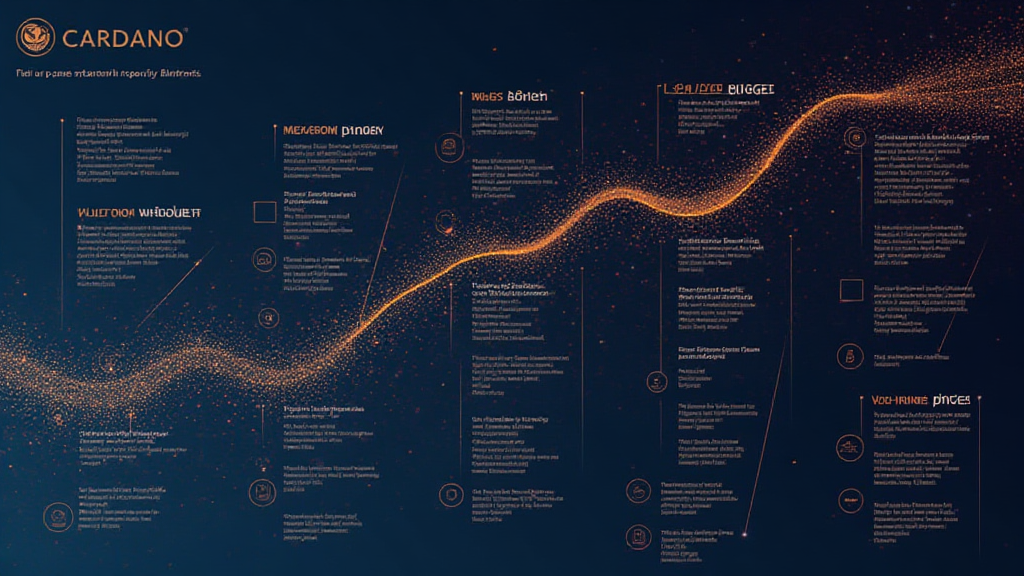
1. Byron: Foundation Phase
The Byron phase, which initiated the Cardano project, focused on creating a decentralized cryptocurrency platform. During this phase, the team laid the groundwork for future development and user adoption.
2. Shelly: Decentralization Phase
With the launch of Shelley, Cardano transitioned towards decentralization, enabling users to run nodes and participate in network validation. This phase is pivotal for enhancing the security and robustness of the blockchain.
3. Goguen: Smart Contracts Phase
Goguen aims to introduce smart contracts to Cardano, allowing developers to build decentralized applications. This is critical for expanding the functionality and usability of the Cardano platform, positioning it as a competitive player in the DeFi space.
4. Basho: Scalability Phase
Basho focuses on improving scalability through various means, including sidechains and other scalable architectures. This is a clear acknowledgment of the network’s increasing user base, projected to see growth in markets like Vietnam, where blockchain interest is surging.
5. Voltaire: Governance Phase
Voltaire represents the final phase, focusing on the governance of the Cardano ecosystem. Users will gain the ability to vote on platform upgrades, ensuring that the community dictates its future direction.
Key Features of Cardano Development Roadmap
- Interoperability: Cardano aims to create a seamless interaction with other blockchains, facilitating cross-chain transactions and information exchange.
- Sustainability: With initiatives aiming to establish treasury systems, Cardano ensures that future developments are funded and sustainable in the long run.
- Security: The focus remains on highly secure smart contract frameworks, preventing vulnerabilities that plague many platforms today. In Vietnam, where the regulatory landscape is rapidly evolving, security is paramount.
Engaging with the Cardano Community
As the roadmap unfolds, engaging with the Cardano community is essential. Users and developers can offer feedback, participate in governance, and help shape the platform’s future. Tools such as Daedalus and Yoroi wallets enhance user experience and foster community interaction.
The Future of Cardano: Market Outlook
According to recent statistics, the growth rate of cryptocurrency enthusiasts in Vietnam has surged by 30% in the last two years, indicating a ripe opportunity for Cardano. By aligning its roadmap with market demand, Cardano is poised to capture a significant share of the emerging user base in Vietnam and beyond.
Competitive Analysis: Cardano vs. Ethereum
While Ethereum dominates the smart contract market, Cardano’s unique development methodology and focus on scalability present a compelling alternative. By examining what Cardano offers against Ethereum, developers can make informed decisions about their chosen platforms, particularly when considering long-term sustainability.
Conclusion
The Cardano development roadmap outlines an ambitious and carefully structured approach to resilience and innovation in blockchain technology. As we look towards the future, understanding this roadmap allows investors, developers, and users alike to appreciate the potential of Cardano and its significance in the evolving digital asset ecosystem. In summary, as Cardano progresses, it becomes clear that its roadmap is not just about upgrades but about creating a future-proof platform accessible to all.
To stay updated with the latest trends and developments within Cardano, consider diving into resources from hibt.com. Interested in enhancing your blockchain knowledge? Feel free to explore detailed guides and articles linking to your interests, such as Padcoinc.
Authored by Dr. Greg Sullivan, a blockchain consultant with over 15 published articles in the field and a leader in numerous well-known projects’ audits.


