


Introduction: The Growing Importance of Token Burning
In 2024 alone, the cryptocurrency industry lost over $5 billion to various hacks and scams. This staggering number highlights a significant vulnerability in how digital assets are managed and perceived. One method that has gained traction among crypto platforms to combat inflation and enhance asset value is known as token burning mechanisms. But what exactly does this mean for investors and developers alike? In this article, we will delve deep into the mechanics of token burning, its implications, and how it might shape the future of cryptocurrency.
What Are Token Burning Mechanisms?
At its core, token burning refers to the process of permanently removing a certain number of tokens from circulation. This is often done by sending tokens to a public wallet address from which they cannot be retrieved, effectively reducing the total supply of that token. The implications of this process can be significant.
- Creating scarcity: Similar to traditional economics, reducing supply can increase demand for a token, potentially driving its value higher.
- Enhancing stability: By controlling inflation through burns, projects can foster a more stable market environment.
Types of Token Burning Mechanisms
There are primarily three types of token burning mechanisms:
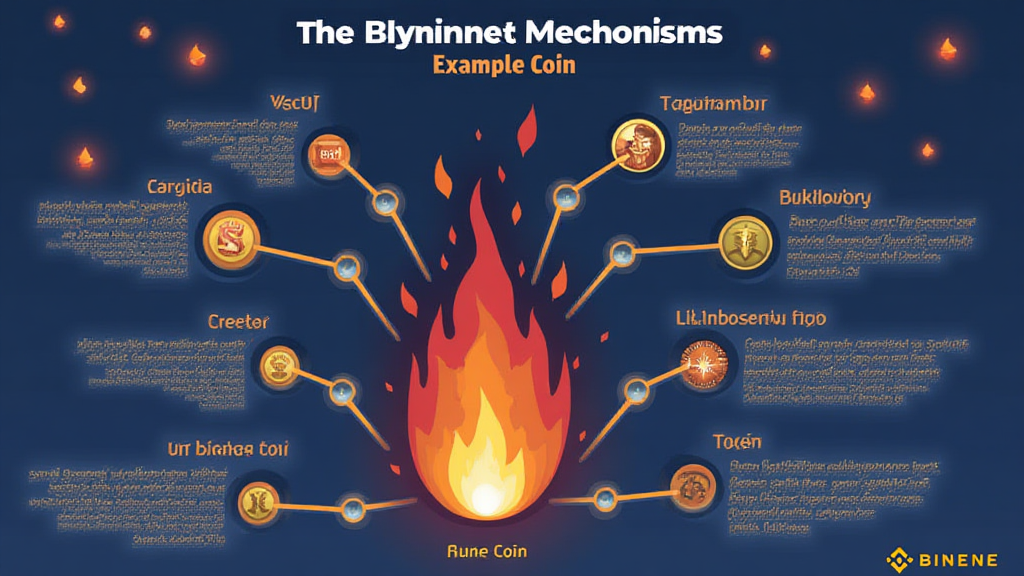
- Voluntary Burns: These occur when token holders decide to permanently remove their tokens as a show of support for the project.
- Scheduled Burns: These are predefined burns that happen at set intervals or when certain conditions are met.
- Transactional Burns: Many transactions include a small fee that is burned, creating a continuous effect on the token’s supply.
Real-world Examples of Token Burning
To better understand the impact of token burning, let’s look at some notable examples.
Binance Coin (BNB)
Binance, one of the leading crypto exchanges, employs a quarterly token burn system that removes a percentage of BNB based on the exchange’s trading volume. Since its inception, these burns have significantly impacted BNB’s value and market dynamics.
Ethereum Improvement Proposals (EIP-1559)
In a bid to combat inflation and improve efficiency, Ethereum implemented EIP-1559 which introduced a mechanism to burn a portion of transaction fees. This shift has not only reduced supply but has also increased the asset’s attractiveness among investors.
Shiba Inu (SHIB)
The meme cryptocurrency Shiba Inu has implemented multiple burning events, encouraged by community initiatives to enhance its perceived value and scarcity.
Insights on the Vietnamese Crypto Market
As the global cryptocurrency landscape evolves, markets like Vietnam are experiencing significant growth. According to recent statistics, the number of cryptocurrency users in Vietnam surged by over 60% in 2024, highlighting the rising interest in digital assets among Vietnamese investors. This growing market demands an understanding of mechanisms like token burning to make informed investment decisions.
The Benefits and Risks of Token Burning
Benefits:
- Strengthened value proposition: By creating a deflationary environment, token burning can eleviate fears of devaluation.
- Alignment of incentives: Token burn mechanisms encourage long-term holding, aligning the interests of both developers and investors.
Risks:
- Lack of community trust: If not implemented transparently, it can lead to skepticism among investors.
- Token dilution: Over-burning can sometimes result in a more volatile price, leading to speculation rather than stability.
How Token Burning Mechanisms Affect Market Dynamics
Token burning mechanisms not only impact individual tokens but can shift overall market dynamics:
- Investor Sentiment: The perception of a protocol’s commitment to its token often influences investor sentiment positively.
- Market Manipulation: In some scenarios, opportunistic players may leverage burning events to create artificial demand.
Future Implications of Token Burning
As we look towards 2025 and beyond, the trend of token burning is likely to continue evolving. Mechanisms for burning tokens may become standard practice in how projects manage their assets.
Potential Regulations
It is also important to note that upcoming regulations could impact how token burning is executed, demanding a more transparent approach that aligns with tiêu chuẩn an ninh blockchain—or blockchain security standards—expected by regulatory bodies.
Conclusion
In a dynamic landscape like cryptocurrency, token burning mechanisms serve as a tool for managing supply and, ultimately, enhancing the value of digital assets. As we move into 2025, understanding these mechanisms will be invaluable for both operational integrity and investment strategies. With the increasing number of users in markets such as Vietnam, the relevance of token mechanics—and their implications for safety and security—cannot be understated.
Investors and developers should stay informed about developments in this space to ensure they are making educated decisions. As the crypto ecosystem grows, so too will the need to navigate these complexities effectively. For more insights, be sure to check our resources at hibt.com.


