


Introduction
In an age where cryptocurrencies are evolving at an unprecedented pace, understanding modern innovations is crucial for both seasoned investors and newcomers. With over $4.1 billion lost to DeFi hacks in 2024, the need for secure and flexible investment strategies is more vital than ever. Enter liquid staking derivatives (LSDs), a concept that is reshaping the landscape of cryptocurrency holdings.
This article aims to break down the complexities of liquid staking derivatives, offering valuable insights into how they work, their benefits, and why they matter to investors today, especially in the context of growing adoption in markets like Vietnam.
What is Liquid Staking?
Liquid staking allows cryptocurrency holders to stake their assets while maintaining the flexibility to trade or use them in other DeFi activities. In traditional staking, assets are locked up, often for long periods, rendering them illiquid. Liquid staking derivatives provide a solution by allowing users to stake their tokens without losing access to their value.
The Mechanics of Liquid Staking Derivatives
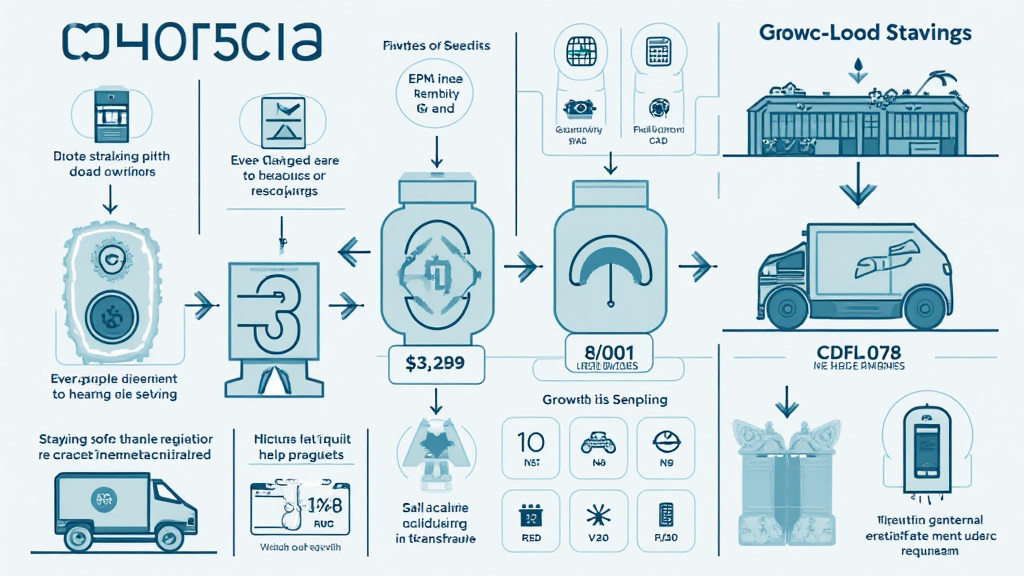
Here’s how it typically works:
- A user deposits their cryptocurrency into a liquid staking platform.
- In return, the platform issues a derivative token that represents the staked assets.
- This derivative can be traded, used in other protocols, or even used to leverage additional yield opportunities.
This process transforms staked assets into a liquid form, allowing for greater flexibility in managing investments.
Benefits of Liquid Staking Derivatives
Liquid staking derivatives offer numerous advantages:
- Enhanced Liquidity: Unlike traditional staking, users can access their funds through derivative tokens.
- Multi-Protocol Usage: Derivatives can often be used across multiple DeFi protocols, maximizing yield opportunities.
- Yield Generation: Users can earn rewards both from staking and from using their derivative tokens in other investments.
- Risk Mitigation: LSDs allow for diversification of risk since assets are not entirely locked into one protocol.
For example, if you stake Ethereum (ETH) and receive staked ETH (stETH), you can now use stETH in various DeFi projects while still earning staking rewards from your original ETH.
Challenges of Liquid Staking
While liquid staking derivatives come with significant advantages, they also pose certain risks:
- Smart Contract Risks: Since LSDs rely heavily on smart contracts, vulnerabilities can lead to losses.
- Liquidity Risks: The market for derivative tokens may become illiquid if demand decreases.
- Regulatory Risks: As with many crypto innovations, there’s uncertainty regarding regulation.
It’s crucial for investors to conduct thorough research and due diligence, particularly in emerging markets such as Vietnam where crypto adoption is on the rise.
The Rising Trend in Vietnam
Vietnam has shown a remarkable increase in crypto adoption. According to recent reports, the number of Vietnamese crypto users has surged by over 300% in the past year. This growth is fueled by a burgeoning interest in decentralized finance (DeFi) and staking opportunities.
Many Vietnamese investors are turning to liquid staking derivatives to optimize their holdings. This shift is indicative of a broader trend where users are seeking both security and flexibility in their investments.
Strategies for Vietnamese Investors
For those navigating the crypto landscape in Vietnam, employing liquid staking derivatives can be strategic:
- Consider starting with a trusted platform that offers liquid staking.
- Diversify investments across different projects to spread risk.
- Utilize derivative tokens to engage in yield farming while earning staking rewards.
By leveraging these strategies, Vietnamese investors can enhance their potential returns while mitigating risks.
Future Outlook of Liquid Staking Derivatives
The liquid staking derivatives market is poised for substantial growth over the next few years.
- Increased Adoption: As more platforms incorporate LSD features, user adoption is likely to surge.
- Technological Advancements: Improvements in smart contract security will attract more investors.
- Regulatory Evolution: As governments worldwide begin to frame clearer regulations around DeFi, legitimacy will further increase.
Given the current trajectory, liquid staking derivatives may become a mainstream investment vehicle in the cryptocurrency space.
Conclusion
Liquid staking derivatives represent a revolutionary shift in how cryptocurrencies can be utilized. They provide a solution to the inherent illiquidity of traditional staking, allowing investors to optimize their portfolios effectively.
In countries like Vietnam, where crypto adoption continues to grow, understanding and implementing liquid staking derivatives could be the key to maximizing investment potential in the digital assets landscape.
Always remember, investment carries risks, and it’s wise to seek advice from local regulators. At padcoinc, we encourage investors to stay informed about the developments in the crypto world.
This commentary has been prepared by Dr. An Pham, a renowned blockchain economist who has published over 30 papers and led audits on prominent crypto projects, focusing on innovative investment strategies.


