


Digital Asset Laws Vietnam: Navigating the Cryptocurrency Landscape
With the global cryptocurrency market booming and innovations such as NFTs and decentralized finance (DeFi) reshaping traditional finance, navigating digital asset laws has become more crucial than ever. Vietnam’s regulatory environment for digital assets is evolving, and it’s important for businesses and investors to stay informed. The country’s unique approach to digital asset laws presents both opportunities and challenges, making it essential to understand this landscape if you’re looking to invest in or utilize cryptocurrencies.
The Current State of Digital Asset Laws in Vietnam
Vietnam has seen a rapid increase in cryptocurrency adoption, with over 3 million users, which equates to around 3% of the country’s population. This growth has caught the attention of regulatory bodies who are keen to ensure the safety and security of investors and the overall market integrity.
In April 2022, the State Bank of Vietnam announced plans for a regulatory framework aimed at protecting consumers while fostering technological innovation. As part of this effort, the government is looking to draft a comprehensive law regarding cryptocurrencies and digital assets that includes:
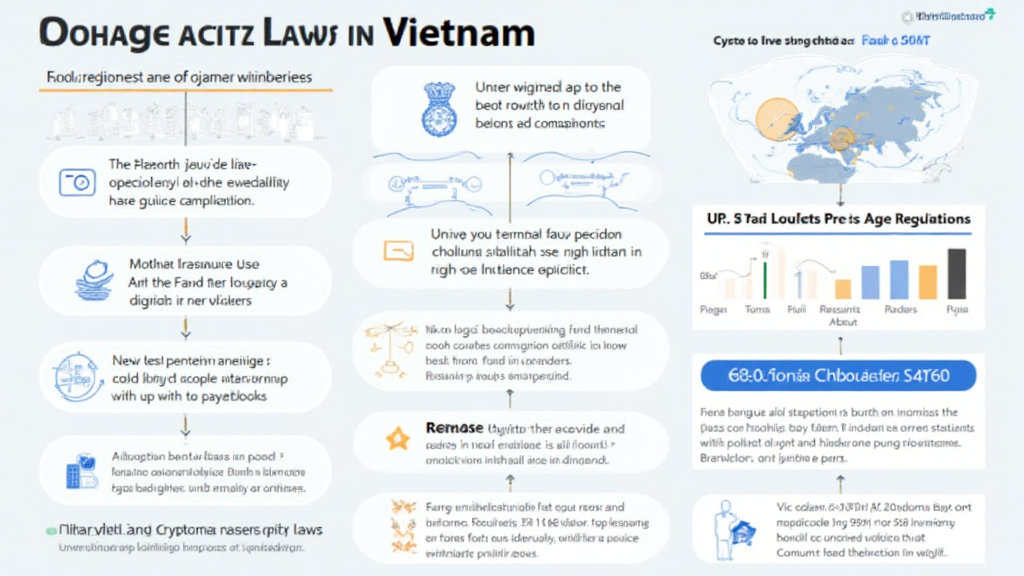
- Regulatory guidelines for cryptocurrency exchanges
- Clear definitions of different types of digital assets
- Taxation and reporting obligations for individuals
Challenges in Vietnam’s Digital Asset Regulation
Despite progress, challenges still abound. The decentralized nature of cryptocurrencies poses unique obstacles for regulators. Unlike traditional financial instruments, digital assets can be traded globally, complicating enforcement measures.
Additionally, the initial coin offerings (ICOs) landscape remains largely unregulated. Investors often lack proper education regarding the risks involved, leading to significant financial losses. According to a report from Chainalysis, over $1.5 billion was lost in scams during 2023.
The Impact of Digital Asset Regulations on Businesses
For businesses operating in the digital asset space, understanding the legal framework can be a matter of survival. Startups and established companies alike must navigate issues such as:
- Entity registration as a cryptocurrency exchange
- Compliance with anti-money laundering (AML) protocols
- Consumer protection and data privacy laws
Businesses that successfully adapt to these regulations can leverage the opportunity to build trust among consumers. In contrast, those that ignore legal compliance may face penalties, damaging their credibility and potential profitability.
Future Outlook for Digital Asset Laws in Vietnam
As Vietnam looks ahead, we can expect a more structured approach to regulations. The government is likely to implement comprehensive frameworks targeting digital asset classifications, which will bring clarity to investors and businesses alike. Potential laws may influence:
- The legal status of cryptocurrencies
- Regulation of Initial DEX Offerings (IDOs)
- Creation of regulatory sandboxes for innovation
This proactive stance towards regulation can enhance Vietnam’s appeal to foreign investors and tech innovators, promoting a healthy ecosystem for crypto businesses.
Blockchain Security Standards: A Local Perspective
With the rise in adoption of digital assets, the need for robust security protocols is paramount. According to industry experts, the tiêu chuẩn an ninh blockchain (Blockchain security standards) must evolve alongside technological advancements. Companies must invest in technologies and practices to safeguard their assets effectively.
An example of a security practice includes using hardware wallets, such as the Ledger Nano X, which can significantly reduce hacks by up to 70%.
How to Stay Compliant in the Evolving Landscape
For individuals and businesses keen on operating legally within Vietnam’s digital asset scene, proactive measures must be taken to ensure compliance. Steps to remain compliant include:
- Staying informed about regulatory developments
- Engaging with legal experts specializing in cryptocurrency laws
- Implementing internal compliance protocols
- Educating customers about the risks of cryptocurrency investment
Engagement with community forums and legal workshops can also provide valuable insights into the regulatory landscape.
Conclusion
Navigating the landscape of digital asset laws in Vietnam is both challenging and rewarding. As regulations evolve, they provide a roadmap for sustainable growth in the digital asset sector. Understanding these laws is essential for investors and businesses aiming to maximize their opportunities while minimizing risks.
As Vietnam continues to develop its regulatory framework, staying informed and compliant will be key to thriving in the digital asset market. For more insights related to Digital asset laws Vietnam, visit hibt.com.
Author: Dr. A. Nguyen, a renowned blockchain analyst with over 15 published papers in the field and a lead auditor for multiple high-profile projects. With years of experience, Dr. Nguyen provides insights into the intersection of blockchain technology and regulatory compliance.


