


Introduction
In 2024, the decentralized finance (DeFi) sector faced unprecedented challenges, with a staggering $4.1 billion lost to hacks and exploits, underscoring the pressing need for innovative security measures. As the DeFi landscape continues to evolve, the emergence of DeFi insurance protocols represents a crucial development in protecting users and investments. DeFi insurance protocols act as a safety net, alleviating fears of losing funds due to unforeseen events or technical vulnerabilities. This article delves into how these protocols are transforming risk management in the cryptocurrency space and their significance for investors and users alike.
Understanding DeFi Insurance Protocols
DeFi insurance protocols provide coverage for users engaging in decentralized finance. Their primary role is to mitigate risks associated with smart contract vulnerabilities, hacks, and sudden market crashes. Much like traditional insurance, these protocols offer protection for users’ investments, ensuring that they can recover part of their losses in the event of an incident.
Interestingly, the DeFi insurance market’s growth parallels the increasing appetite for decentralized financial products. According to recent reports, the global DeFi insurance market is projected to grow to $800 million by 2025, as investors seek ways to safeguard their assets in the volatile crypto environment.
How DeFi Insurance Protocols Work
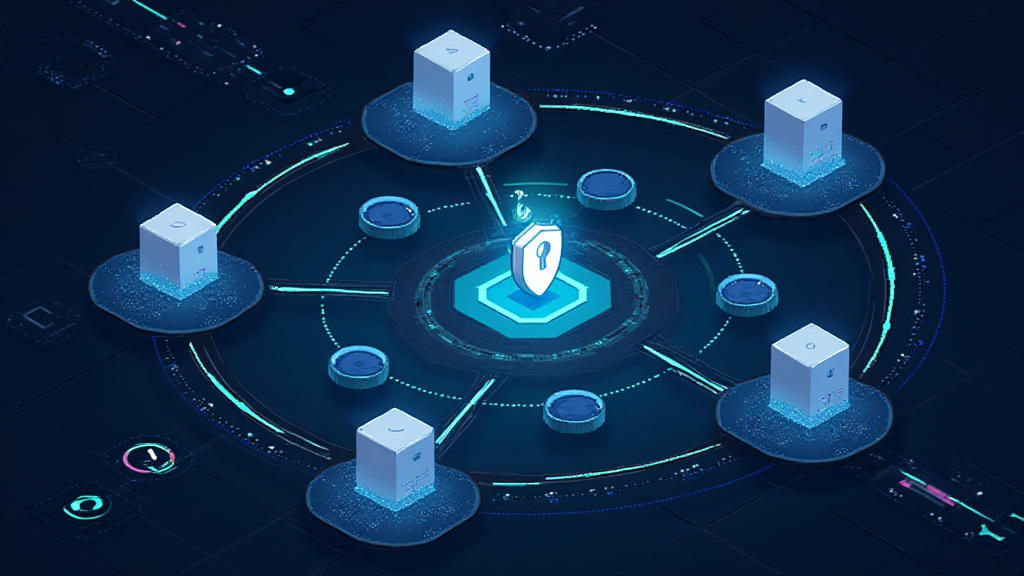
- Premium Payments: Users pay a premium to purchase a policy that covers specific risks.
- Pools of Funds: Collected premiums form pools, which are used to compensate claims made by insured users.
- Claims Process: In the event of a loss, users can file claims that are assessed and compensated based on predefined criteria.
- Decentralized Governance: Many DeFi insurance protocols utilize governance tokens, allowing users to vote on critical protocol decisions, ensuring decentralization and community involvement.
Popular DeFi Insurance Protocols
Several DeFi insurance protocols have emerged as key players in the market:
- Nexus Mutual: This is a leading mutual insurance platform that allows users to pool funds and insure against smart contract failures.
- Cover Protocol: It provides decentralized insurance, enabling users to buy and sell coverage against DeFi risks.
- InsurAce: With a focus on offering coverage for various DeFi protocols, InsurAce has gained traction by providing competitive premiums and smart contract insurance.
The Importance of DeFi Insurance for Investors
In the volatile world of cryptocurrency, risk management is paramount. DeFi insurance protocols play an essential role in reassuring investors that their assets are protected. By mitigating risks associated with hacks and smart contract failures, these protocols enhance user confidence and encourage greater participation in the DeFi ecosystem.
Real-World Impact
The significance of DeFi insurance becomes evident when considering the growing number of users in emerging markets. For instance, Vietnam has reported a remarkable 30% increase in DeFi users over the past year, indicating a robust interest in decentralized finance. As the number of participants grows, the need for more comprehensive risk management solutions through DeFi insurance protocols becomes increasingly relevant.
Risks and Limitations of DeFi Insurance
While DeFi insurance protocols offer significant benefits, they are not without their challenges:
- Market Volatility: Insurance premiums can fluctuate based on market conditions, affecting the coverage cost for users.
- Claims Scrutiny: Assessing claims can be complicated, leading to potential disputes if not managed transparently.
- Regulatory Uncertainty: The evolving legal landscape for cryptocurrencies may impact the viability of certain insurance products.
Future of DeFi Insurance Protocols
The future looks promising for DeFi insurance protocols as they refine their offerings and expand into new markets. By 2025, an increased focus on user education and awareness can be expected, as individuals and institutions alike strive to better understand the benefits of DeFi insurance.
As the demand for robust security solutions in the crypto space grows, it is essential that DeFi insurance protocols adapt and innovate. These protocols can enhance their value proposition by integrating advanced features such as:
- Customizable Coverage: Allowing users to tailor insurance policies to fit their unique risk profiles.
- Partnerships with DeFi Protocols: Collaborating with major DeFi projects to create bespoke insurance products.
- Enhanced User Experience: Streamlining the claims process and improving the user interface to cater to a broader audience.
Conclusion
As decentralized finance continues to gain traction, DeFi insurance protocols are poised to become indispensable tools for investors seeking to safeguard their assets. By providing coverage against various risks, these protocols will enhance trust and confidence in the DeFi ecosystem, fostering participation and innovation in this burgeoning space. With the predicted growth of the global DeFi insurance market, opportunities abound for investors and developers alike to capitalize on the benefits while navigating the risks.
In closing, the advancement of DeFi insurance protocols signals a significant leap towards a more secure and sustainable decentralized finance environment. Investors can now breathe a little easier, knowing that their assets are backed by these innovative solutions, ultimately empowering the growth of the entire blockchain industry. For anyone looking to navigate the complexities of DeFi, the resources at padcoinc may provide valuable insights.


