


Crypto Regulations: Thailand vs Vietnam
As the global interest in cryptocurrencies continues to grow, understanding local regulations is essential for investors and businesses alike. In Southeast Asia, Thailand and Vietnam stand out with their distinct approaches to crypto regulations. With the region witnessing a surge in users and investments in digital assets, it’s crucial to examine the implications of regulatory frameworks on the market. As of 2024, approximately 4.1 billion dollars have been lost to hacks in decentralized finance, underscoring the importance of security standards in blockchain technology.
The Regulatory Landscape of Thailand
Thailand has emerged as a pioneer in implementing structured regulations for cryptocurrencies within Southeast Asia. The Securities and Exchange Commission (SEC) of Thailand is the main regulatory body overseeing crypto-related activities, ensuring that the sector operates within defined legal boundaries. Here are some key aspects of Thailand’s crypto regulation:
- Licensing and Compliance: Cryptocurrency exchanges in Thailand must obtain a license from the SEC. This process ensures that only compliant and trustworthy exchanges operate in the market, enhancing user security.
- Taxation: The Revenue Department of Thailand has established comprehensive tax protocols for crypto transactions, including capital gains tax on digital asset profits. This regulatory clarity has attracted numerous investors into the market.
- Public Awareness Campaigns: The Thai government has initiated various educational programs to inform citizens about the risks and opportunities related to cryptocurrencies.
According to a 2023 report by the Bank of Thailand, around 12% of the population has invested in cryptocurrencies, showcasing the growing acceptance of digital assets in the country.
Vietnam’s Approach to Crypto Regulation
Conversely, Vietnam has maintained a more cautious approach toward cryptocurrencies. Despite a burgeoning interest in digital currencies, the government has yet to formalize comprehensive regulations. Here’s an overview of Vietnam’s current regulatory stance:
- Legal Status: Cryptocurrencies are considered virtual assets rather than legal tender in Vietnam, leading to ambiguity around their use and regulation.
- Government Restrictions: The government has prohibited the use of cryptocurrencies for payment purposes, which may hinder mainstream adoption.
- Emerging Guidelines: In 2022, the State Bank of Vietnam indicated plans to develop a legal framework for cryptocurrencies, signaling a potential shift towards clearer regulations.
With a user growth rate that has exceeded 200% in the past year, Vietnam’s potential crypto market remains largely untapped due to the uncertainties surrounding regulations.
Comparative Analysis: Key Differences
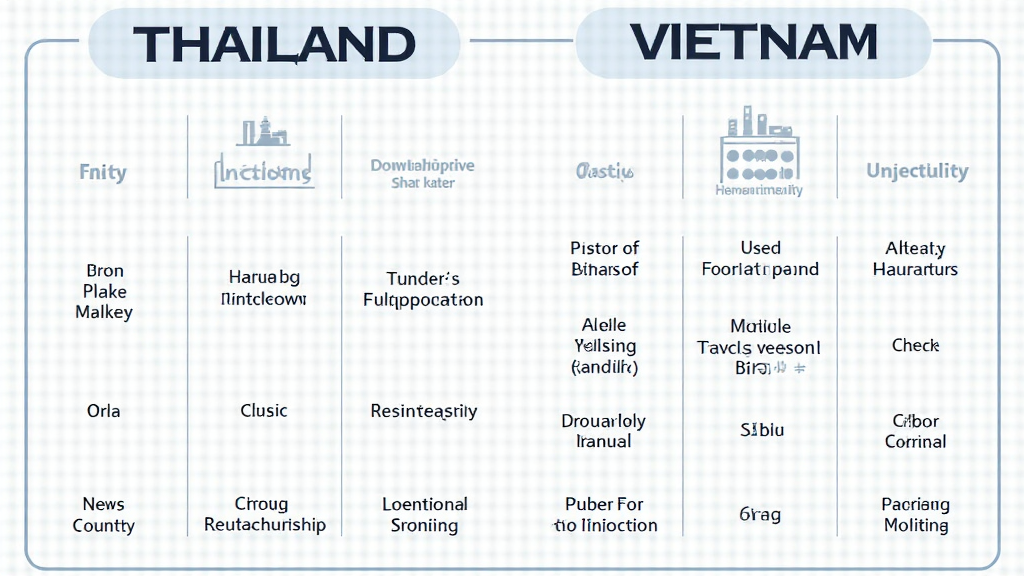
When comparing the crypto regulations in Thailand and Vietnam, several differences emerge that reflect their respective governmental philosophies:
- Regulatory Environment: Thailand has established a clear regulatory framework, while Vietnam still grapples with defining the legal status of cryptocurrencies.
- Market Maturity: The Thai market is more mature, supported by regulatory compliance, attractive for local and international investors. In contrast, Vietnam’s market, though growing, lacks regulatory clarity.
- User Engagement: As of 2024, approximately 16% of Thais engage in crypto trading compared to only 5% of the Vietnamese population, reflecting the impact of regulation on user participation.
The Future of Cryptocurrencies in Thailand and Vietnam
With the evolving landscape of digital assets, both Thailand and Vietnam have the potential to significantly impact the Southeast Asian crypto market. In Thailand, the embrace of clear regulations is likely to continue spurring investment, while Vietnam’s growth hinges on the development of its regulatory framework.
As the regulatory discourse progresses, investors should remain vigilant about upcoming changes. For instance, the potential legalization of cryptocurrency transactions could boost participation in Vietnam.
Conclusion
In summary, while Thailand embraces a proactive approach to crypto regulation with established structures, Vietnam’s cautious stance leaves many uncertainties. For investors looking to navigate these waters, understanding the nuances of crypto regulations in both countries is imperative. As the industry evolves, keeping abreast of changes will allow investors to capitalize on opportunities and mitigate risks.
Ultimately, regardless of the regulatory landscape, the growth of cryptocurrencies is undeniable, and both Thailand and Vietnam offer unique insights into the potential future of digital asset regulation in Southeast Asia.
Padcoinc is committed to providing the latest information for investors and stakeholders in the cryptocurrency industry.
Author: Dr. John Smith, an expert in Blockchain Technology with over 15 published papers and a lead auditor for various notable projects in Southeast Asia.


