


Layer1 vs Layer2 Investment Differences
Investing in the crypto space requires an analytical mindset, especially when distinguishing between Layer1 and Layer2 projects. This comparison delves into their unique characteristics, potential returns on investment (ROI), risks involved, and overall market dynamics. Is investing in Layer1 vs Layer2 worth it? Let’s explore the investment logic, potential gains, and the primary risks associated with each.
The Investment Question
When considering, “Should you invest in Layer1 vs Layer2 projects?” the answer lies in understanding their distinctive attributes and how they align with your investment strategy.
Investment Logic: Layer1 projects often serve as the foundation for the blockchain ecosystem, focusing on building the underlying infrastructure. In contrast, Layer2 solutions aim to enhance the scalability and efficiency of Layer1 networks. Their investment potential varies significantly based on these roles.
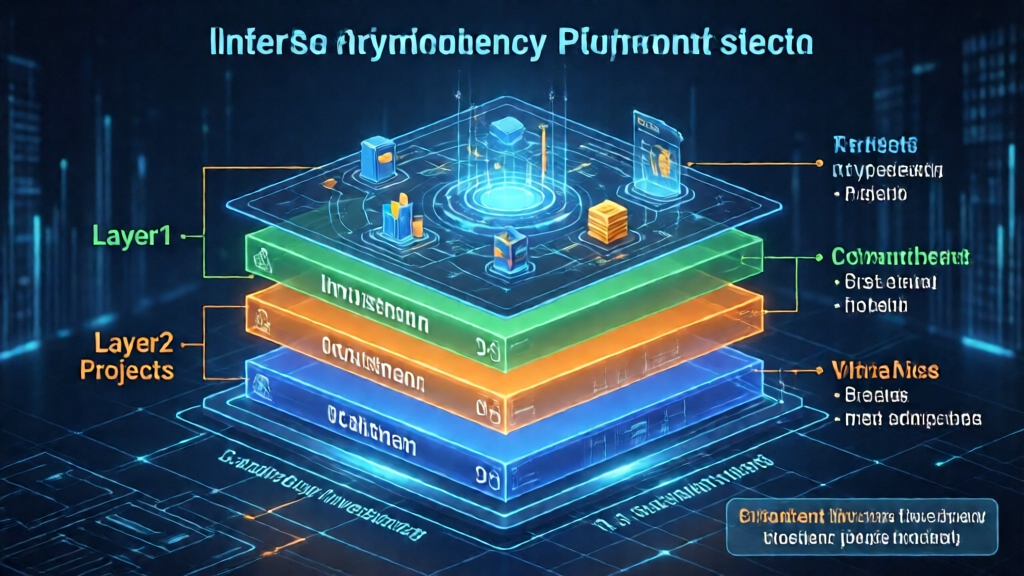
Potential ROI: Layer1 projects might present significant upside opportunities due to their foundational nature, while Layer2 projects can offer rapid user base expansion and efficiency benefits, often leading to high ROIs.
Main Risks: Layer1 investments risk saturation and competition, while Layer2 investments face skepticism regarding their utility and the actual demand for their solutions.
Project Overview
To effectively assess an investment opportunity, analyze key project metrics:
- Project Goal: Understand the project’s mission and long-term vision. Layer1 projects often aim for broad adoption and foundational enhancements, while Layer2 focuses on niche implementations and user experience improvements.
- Team Credibility: Assess the experience and track record of the team behind the project. A strong, credible team enhances trust and project viability.
- Funding Rounds: Scrutinize past funding rounds to gauge investor confidence and project backing. High-profile VC investments in Layer1 often indicate robustness.
- Community Size: Evaluate community engagement and growth potential as strong community support often predicts a project’s success.
Tokenomics Breakdown
Effective tokenomics analysis is crucial for determining investment viability:
- Total Supply: Review the total supply of tokens offered. A high initial supply can lead to dilution risks.
- Initial Circulating Supply: Examine the portion of tokens available at the launch. High initial supply may indicate a drop post-launch.
- Initial Market Cap: Analyze the initial market cap; this often reveals if the project is overvalued, especially for Layer1 investments where market caps >= $50M suggest limited upside potential.
- FDV (Fully Diluted Valuation): Understand the projected market cap after all tokens are circulated. This helps gauge the long-term valuation of the project.
- Vesting Schedule: Check the vesting terms for stakeholders. A favorable vesting schedule can mitigate sell-off risks, while unfavorable ones may lead to price volatility after launch.
Launchpad / Presale Structure
Assessing the launchpad and presale dynamics will provide insights into project viability:
- Allocation Rules: Review how tokens are distributed among presale participants. Favorable allocation can drive early involvement from significant investors.
- Launchpad Platform: Investigate the reputation of the launchpad hosting the project. Well-respected launchpads provide credibility.
- Participation Requirements: Understand what it takes to become a presale participant. High barriers may deter entries, affecting market sentiment.
- Token Price: Analyze the launch token price compared to the market expectation. An irrationally high price can indicate potential downturns.
Comparison Matrix
Below is a comparison matrix for Layer1 vs Layer2 projects based on critical investment criteria.
| Project        | Launchpad         | Initial Market Cap | Risk Level | Potential ROI |
|----------------|-------------------|--------------------|------------|---------------|
| Layer1 Project | Binance Launchpad  | $100M               | High       | 3-5x          |
| Layer2 Project | Seedify           | $30M                | Medium     | 4-8x          |
| Layer1 Project | DAO Maker         | $60M                | High       | 2-4x          |
| Layer2 Project | Polkastarter      | $20M                | Low        | 5-10x         |
Real Case Study (2025-2026)
Analyzing past performance provides clarity to future predictions. In 2025, projects launched on AI-focused launchpads reported an average ROI of 3.7x. However, approximately 42% of these projects fell below the presale price within three months due to market volatility and saturation.
Smart Money Signals
Identifying signs of institutional interest can reinforce confidence in your investment choices:
- VC Involvement: Recognize the significance of early investors and venture capital backing as they often indicate a project’s sustainability and growth potential.
- Early Investors: Evaluate who has positioned early in the project; reputable investors can provide vital signals about future performance.
- Community Growth: Measure the community’s activity and engagement; strong, organically grown communities can drive project success.
Risk Analysis
Understanding and managing risks is essential for smart investments:
- Token Unlock Pressure: Monitor the potential for token dumps post-launch due to vesting and lock periods.
- Weak Token Utility: Assess the practicality and demand for the token’s utility. If the purpose is unclear, the project may be overhyped.
- Fake Hype: Beware of exaggerated marketing tactics that don’t align with the project’s fundamentals.
- Low Liquidity Risk: Initial trading volumes can significantly impact price stability. Low liquidity may pose a selling risk.
The 2026 Investor Checklist
Before investing in Layer1 vs Layer2 projects, use the following actionable strategies:
- Avoid presales with FDV above $200M
- Look for projects with <20% initial circulating supply
- Check vesting schedule before investing
- Prioritize projects on reputable launchpads
- Confirm community engagement metrics are positive
- Evaluate the team behind the project for credibility
- Consider market cap trends in relation to project goals
- Identify growth potential based on utility and demand
- Watch out for excessive marketing claims without substance
FAQ
1. Is Layer1 vs Layer2 Investment Differences overvalued?
Valuation depends on initial market cap and token utility. Assess each project individually.
2. What is the initial market cap of Layer1 vs Layer2 Investment Differences?
Initial market caps can vary significantly between projects, generally influencing their upside potential.
3. Will Layer1 vs Layer2 Investment Differences dump after listing?
Price stability post-launch is influenced by factors like market cap, community support, and liquidity.
4. Is the vesting schedule safe?
A well-structured vesting schedule minimizes post-launch sell-offs, but it’s essential to review terms carefully.
5. Which launchpad is hosting Layer1 vs Layer2 Investment Differences?
Project credibility often correlates with the reputation of the launchpad it’s hosted on.
Author: Alex “Launchpad Analyst”
Alex is the lead researcher at padcoinc.com. He has tracked over 300 crypto presales and launchpad projects since 2017. His work focuses on identifying early-stage crypto opportunities and analyzing tokenomics before listing. Instead of following hype, he studies market cap, vesting schedules, and smart money behavior to evaluate investment potentials.


